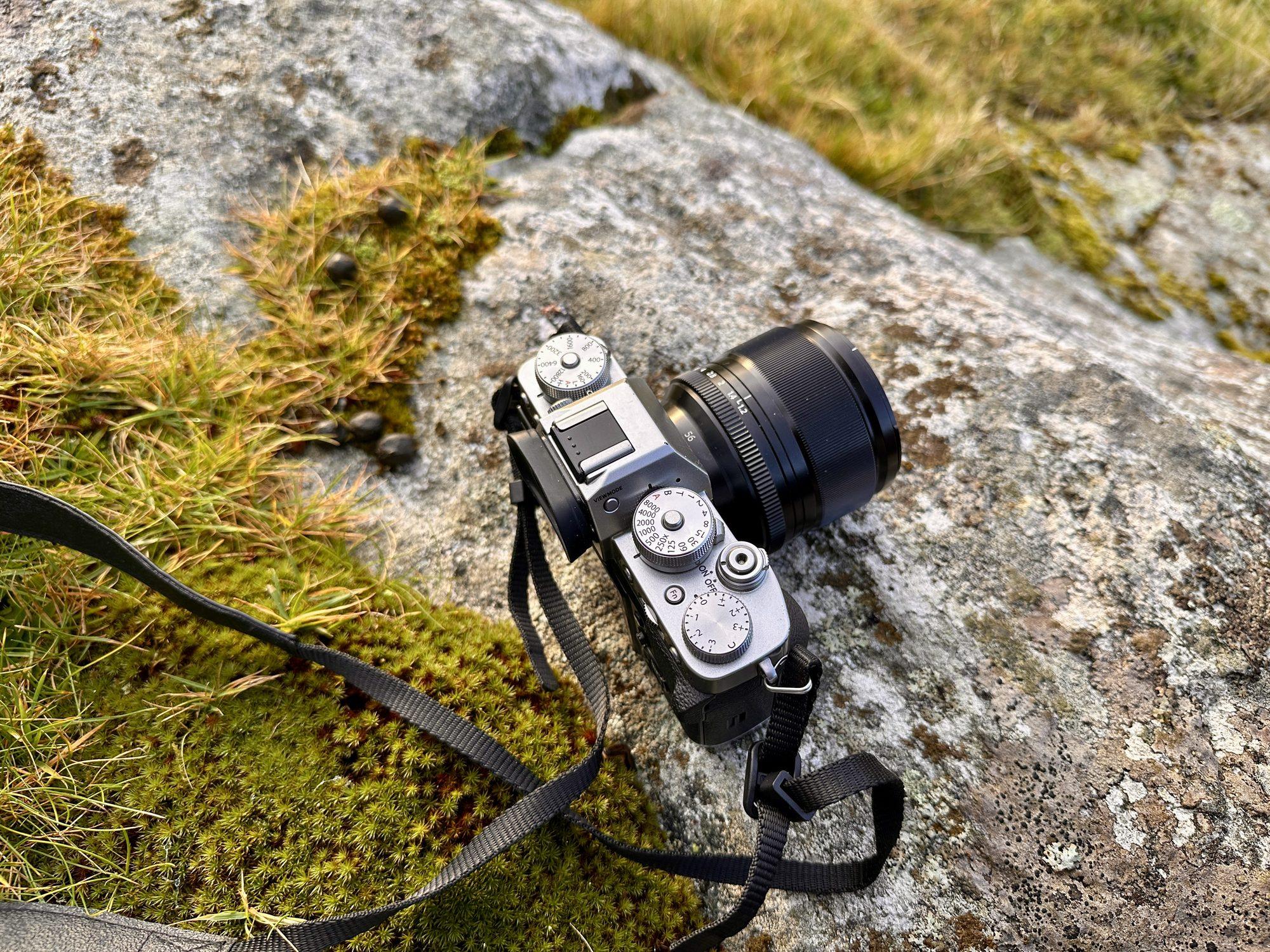
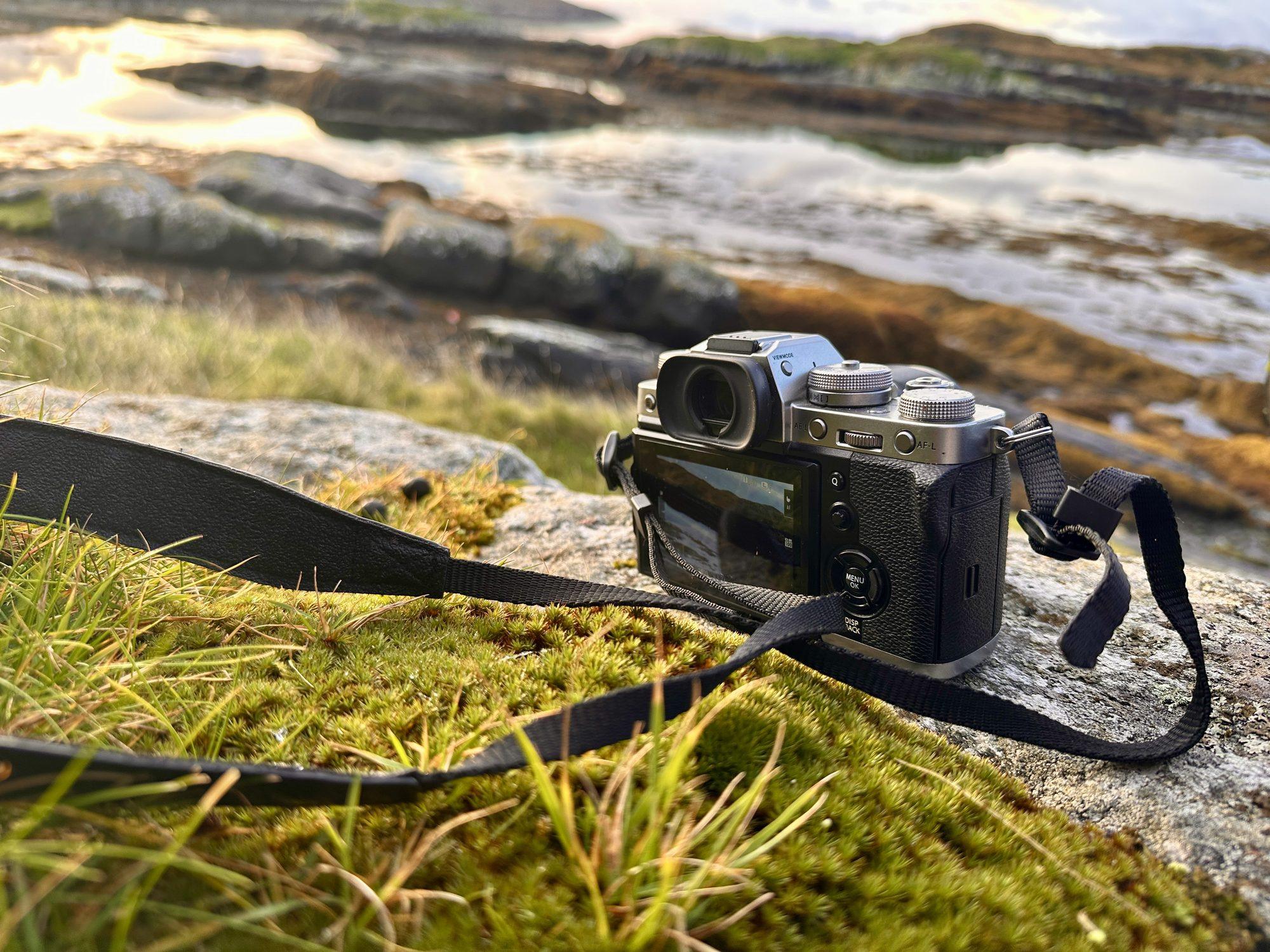
 This autumn I finally found the lighter kit I had been searching for, a second Fujifilm X-T3 with the Fujifilm 56mm f1.2 lens, both bought second-hand from Ffordes Photographic, who are always lovely on the end of the phone and who I know I can trust.
I wanted something originally for my wedding photography that would give me beautiful depth of field without having to carry a really long lens, and that would sit alongside the 16-55mm on my other Fuji X-T3, so that between the two bodies I have everything I need without the weight. The f/1.2 was the reason I wanted this lens, and I went for the more affordable version to start with.
Why the Fujifilm 56mm f1.2?
On Fuji’s crop sensor, the 56mm works out at roughly 85mm in full-frame terms, which is a classic portrait length, and wide open at f1.2 it separates a subject from its background in a way that feels soft and painterly rather than clinical. For weddings, that means I can stand a little back from a couple and still let everything behind them melt away, and it lets in so much light that I can keep shooting long into the evening or inside a dim church without reaching for a flash. It is also small enough to sit in a coat pocket, which matters when you are out in Hebridean weather for hours at a time.
Taking it out for the first time
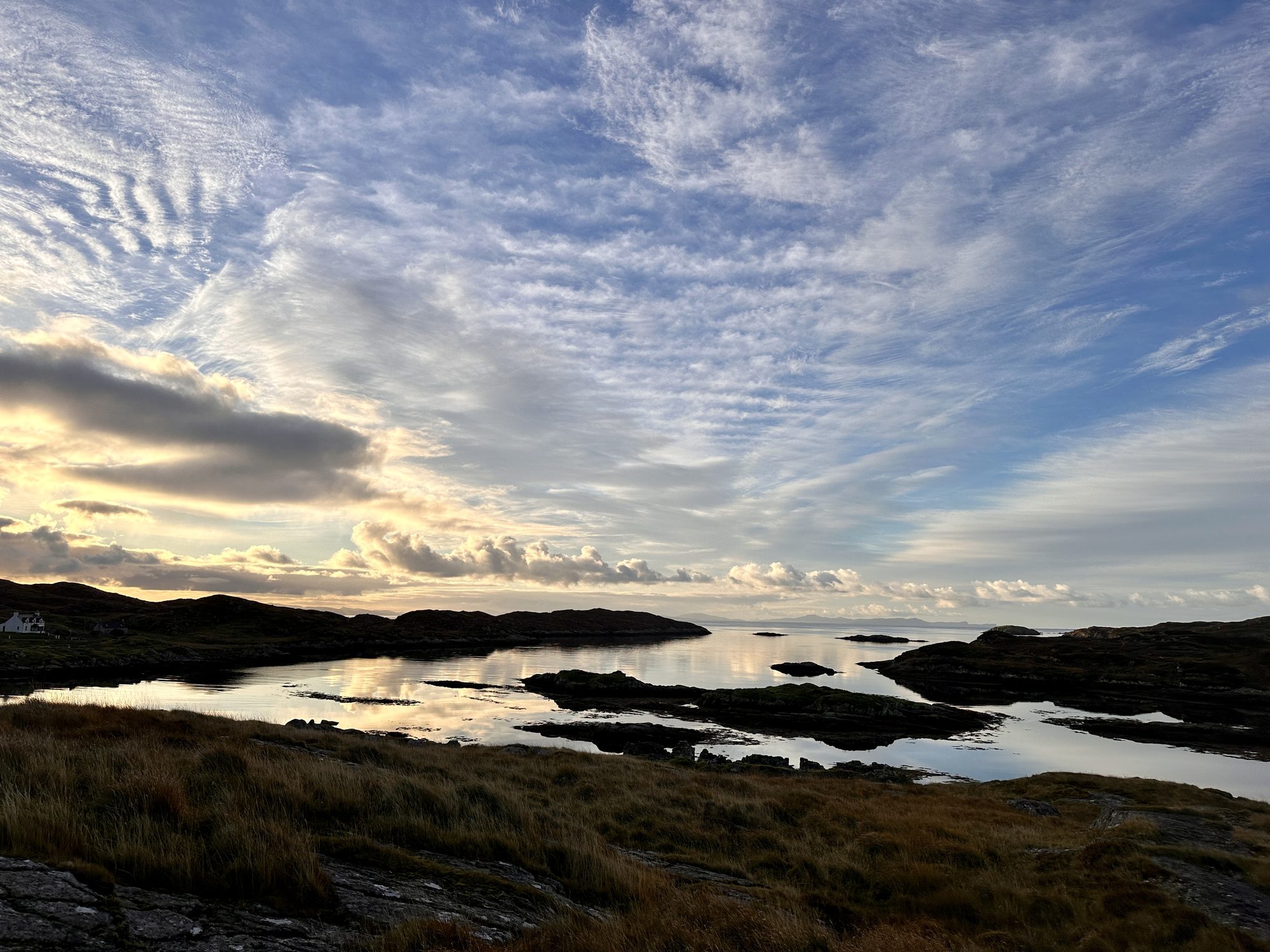
After a long summer of rain and not getting out as much as I would have liked, I woke one morning to find the grass outside completely still, so I packed a flask, a notebook and the new camera, and Skye and I headed down to the croft at 8 am. It only takes about three minutes to get there, and yet it feels like a million miles from anywhere once you are over the hill and the Bays open out in front of you.
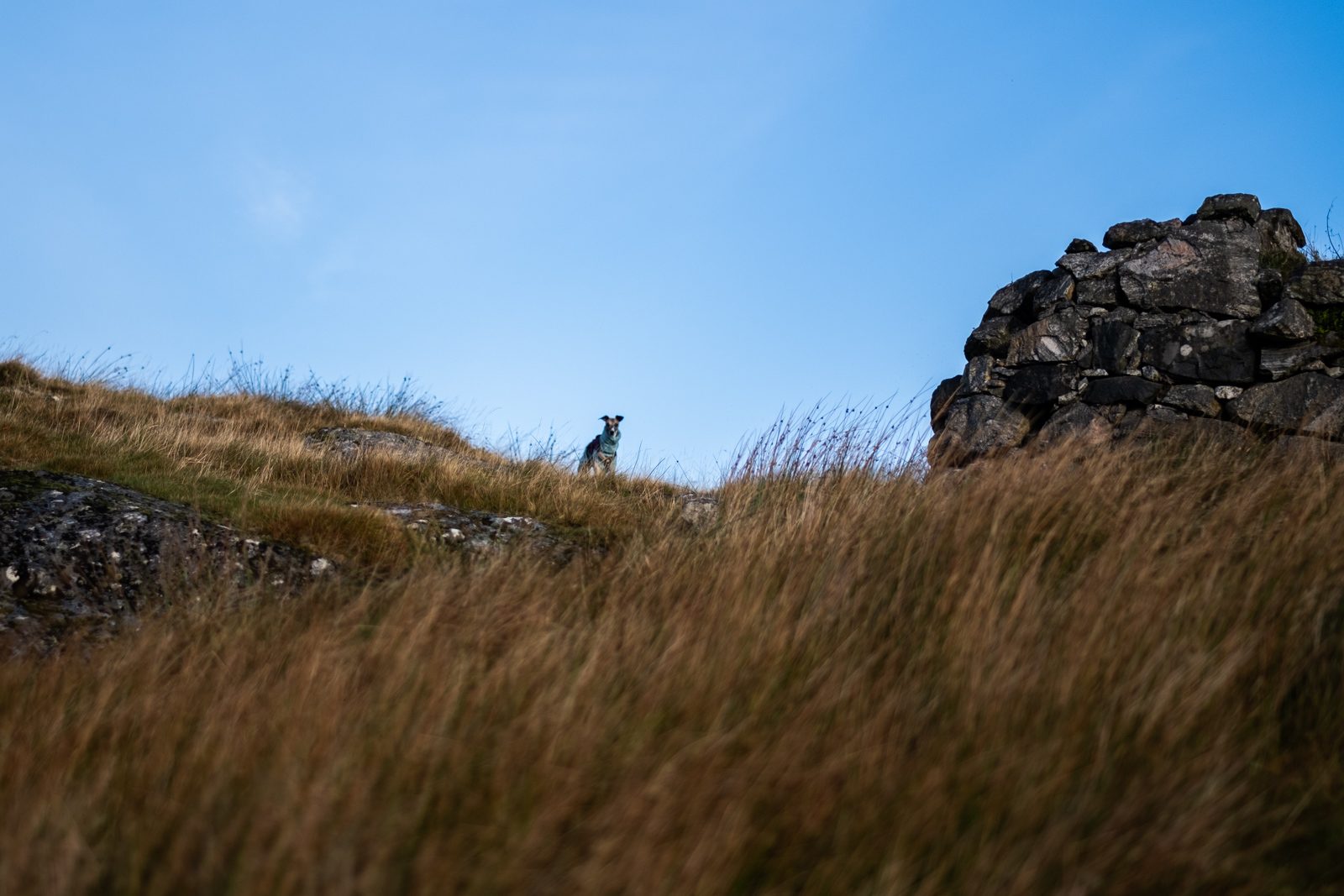
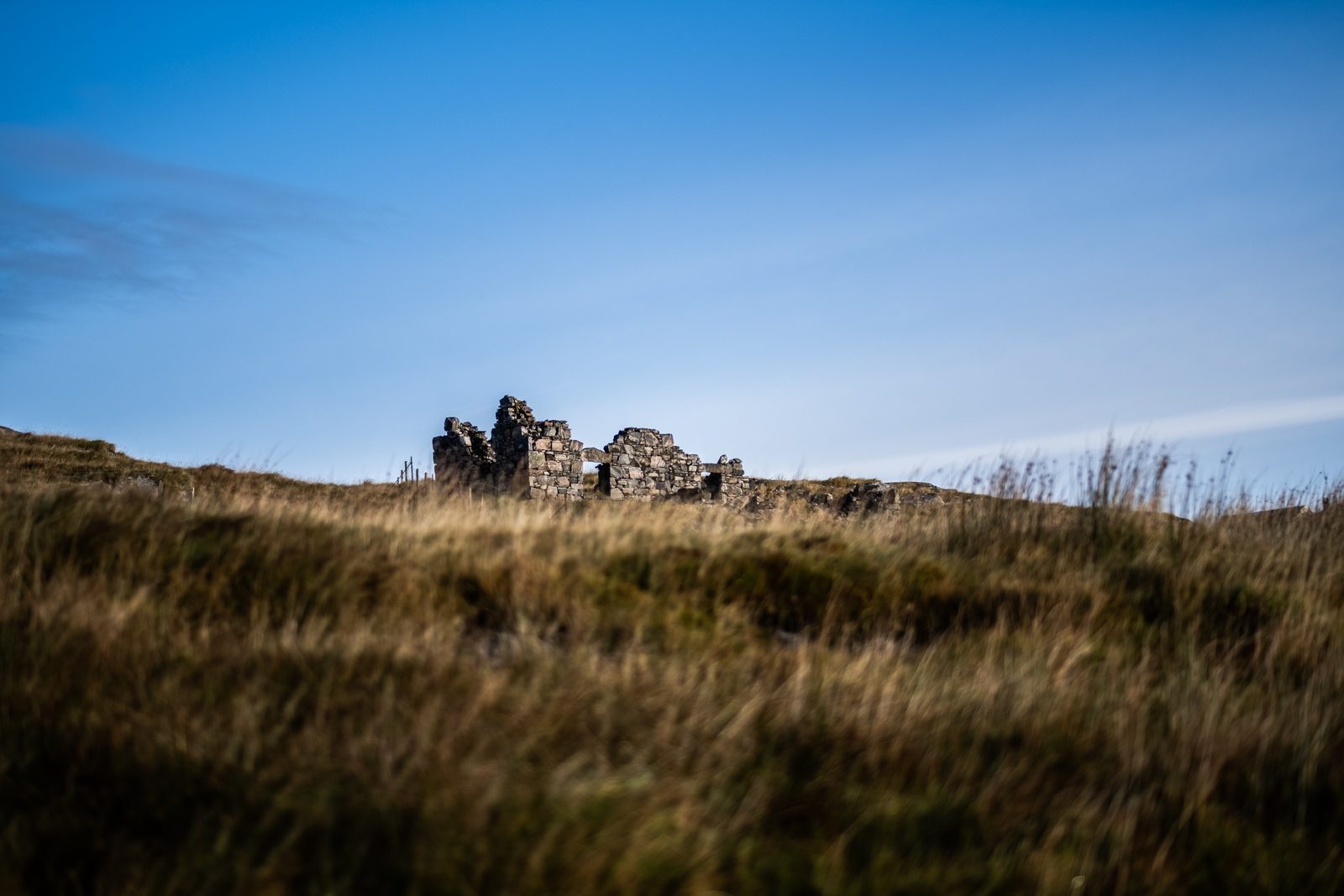
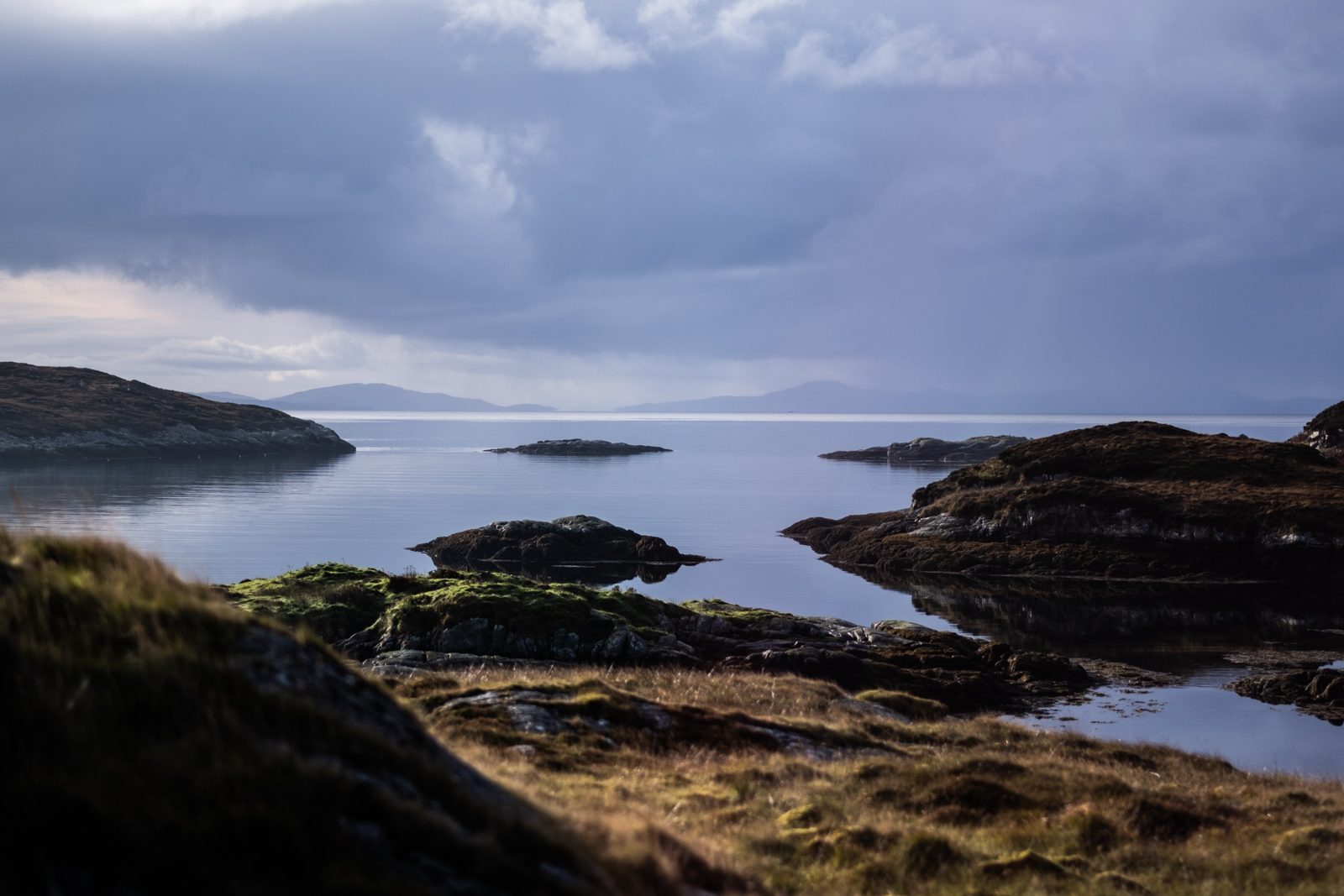
There is something about carrying one camera with a single lens and no zoom that gives a nice boundary to possibility, because you can’t change your mind every few minutes, so you have to think more simply and look more closely, which is always a good thing.
A few tips for shooting wide open
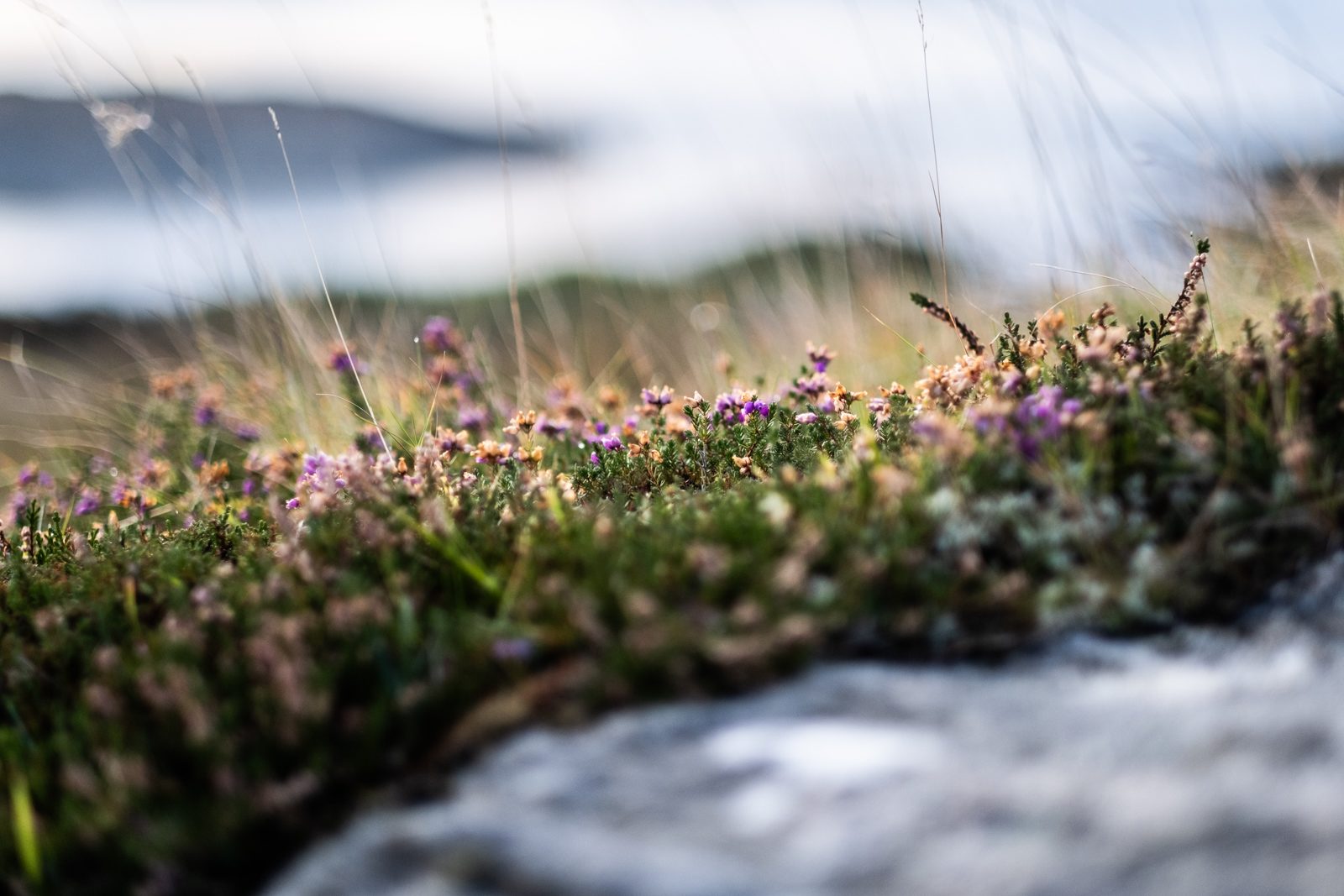
If you are new to a fast lens like this Fujifilm 56mm 1.2, the depth of field at f1.2 is so thin that focusing takes a bit of patience, so I find it helps to slow right down, use a single focus point and place it exactly where I want the eye to land, and take a few frames each time, as the slightest movement of the grass or of me can shift things. Getting low to the ground also makes a huge difference, because putting something soft in the foreground as well as the background wraps the subject in colour and gives a lovely sense of depth.
Looking closely
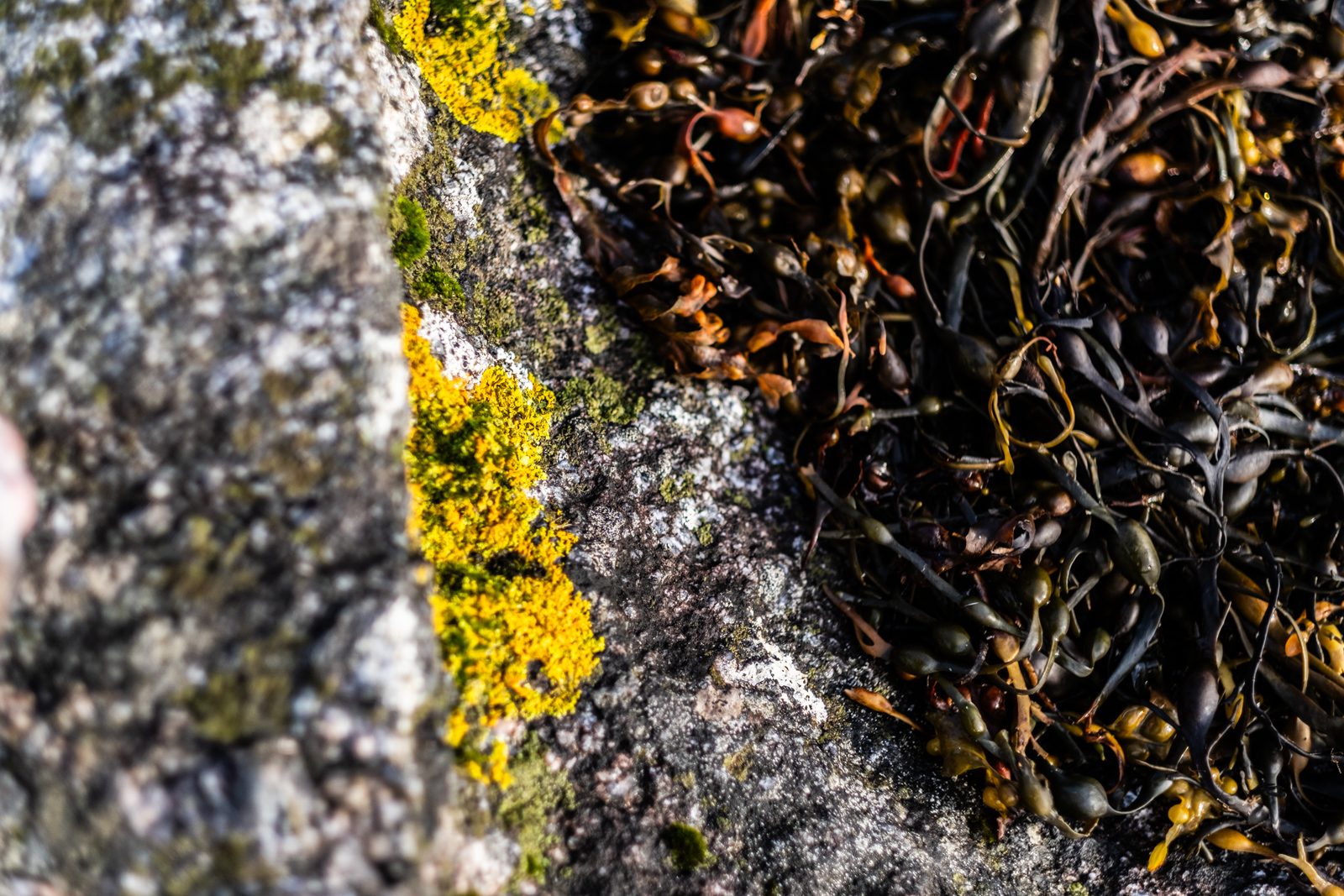
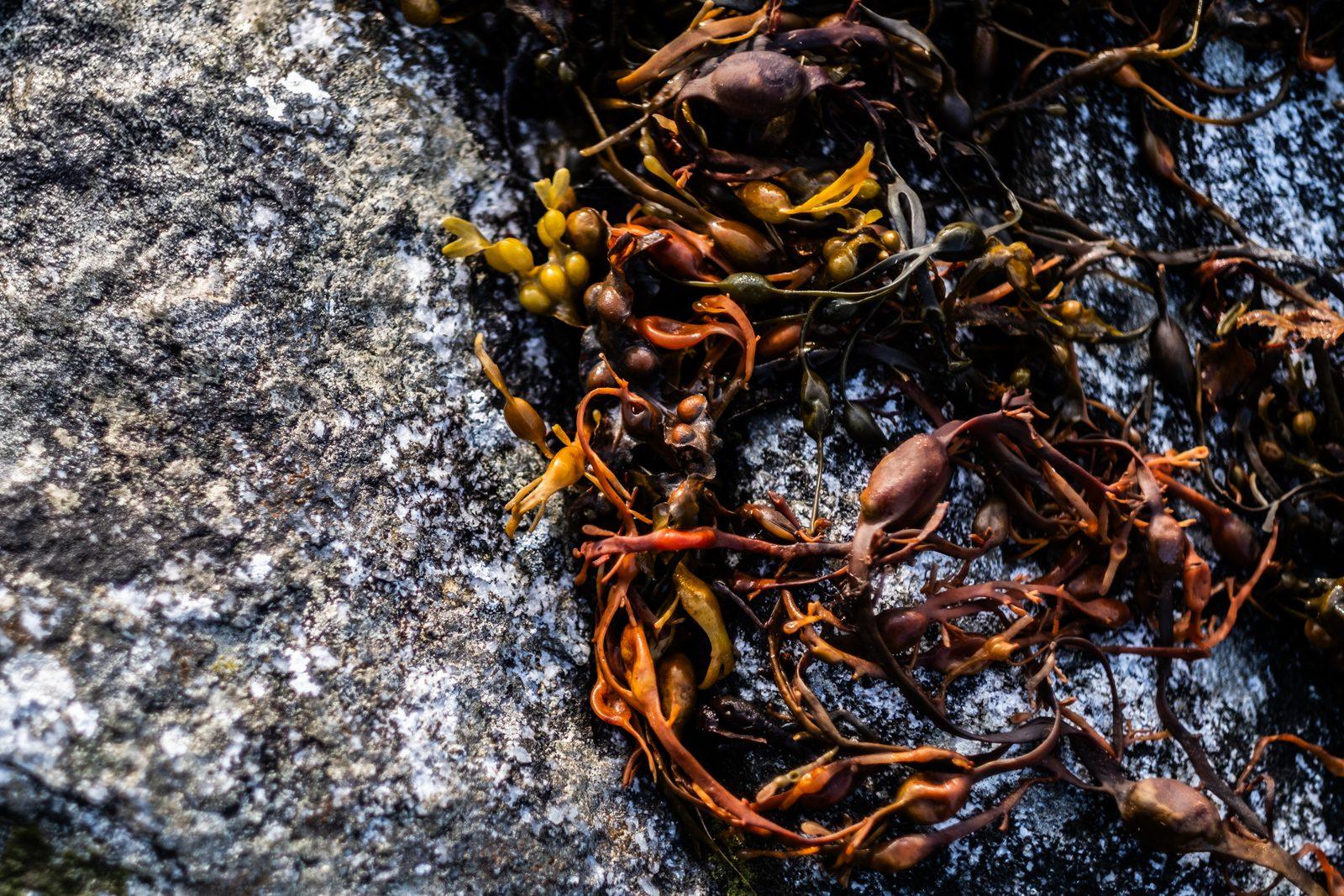
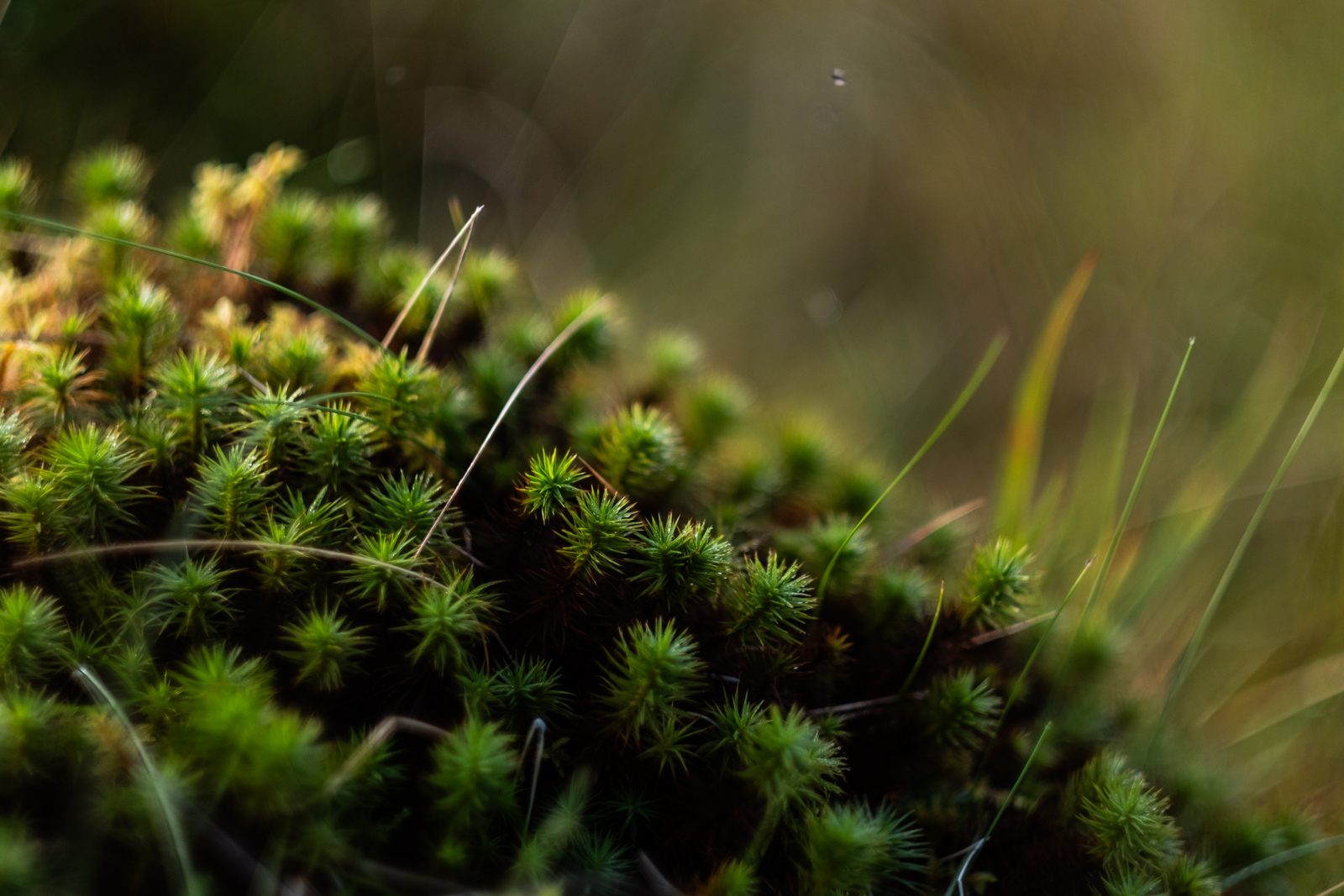
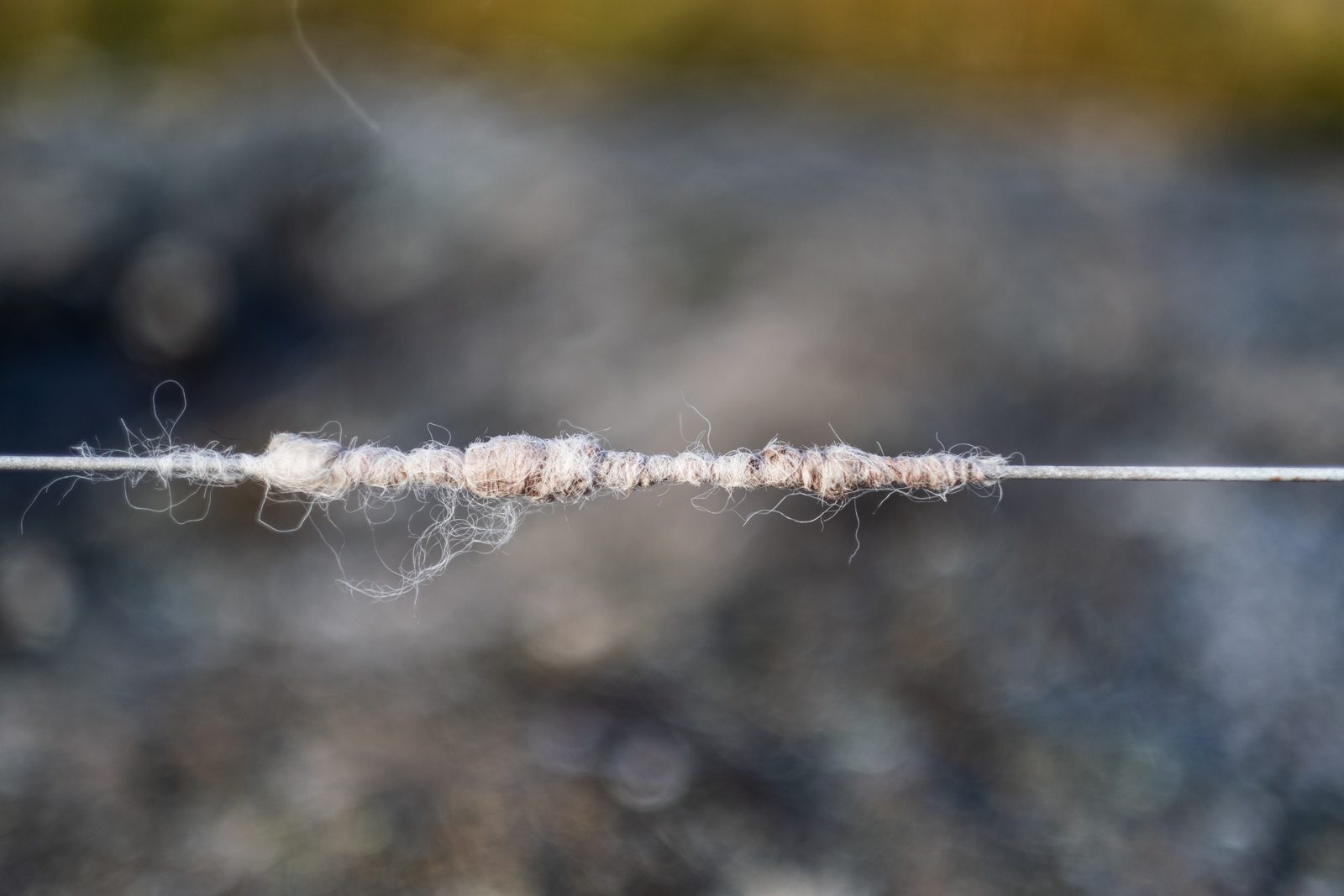
With the lens wide open, the smallest things became the whole picture: sheep’s wool caught on the fencing, splodges of yellow lichen on the rocks, bright green moss, grass seed heads catching the light, with everything behind them melting away into soft colour.
The midden
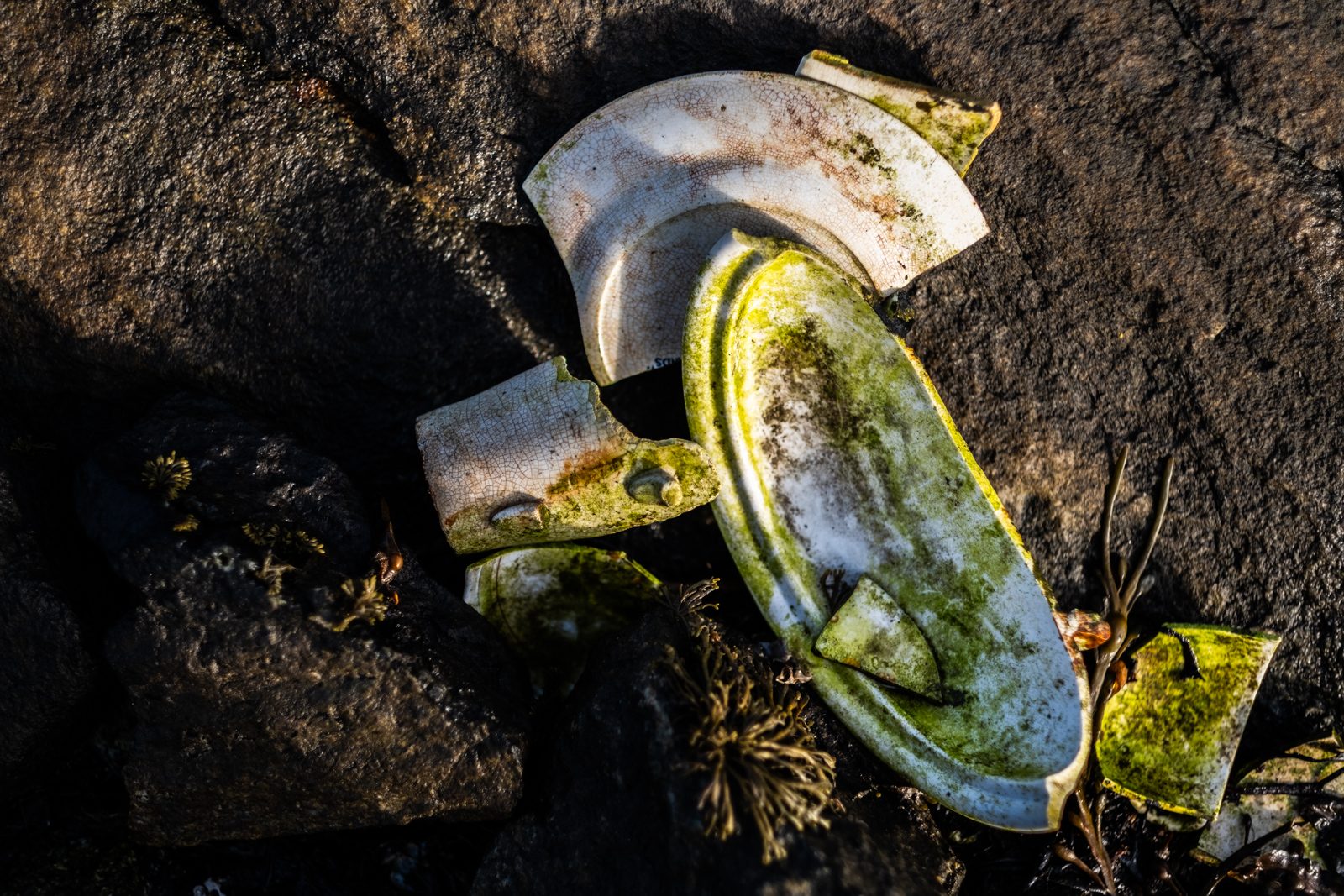
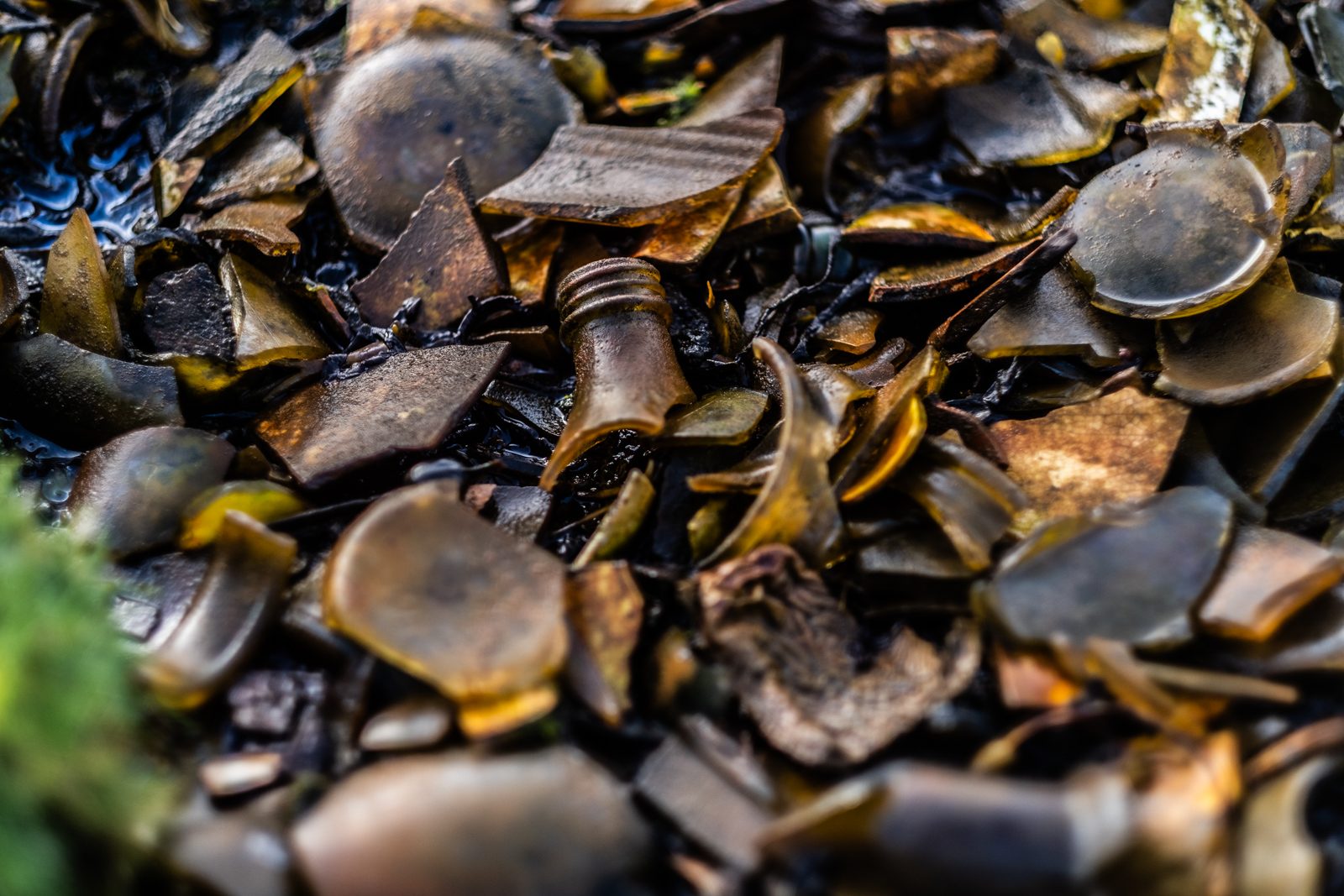
There is a midden amongst the rocks where old bottles and pottery seem to stay regardless of the tides and storms, and I spent a long time just mooching around there, the camera giving me a reason to notice the colours and shapes in the broken glass that I would otherwise have walked past.
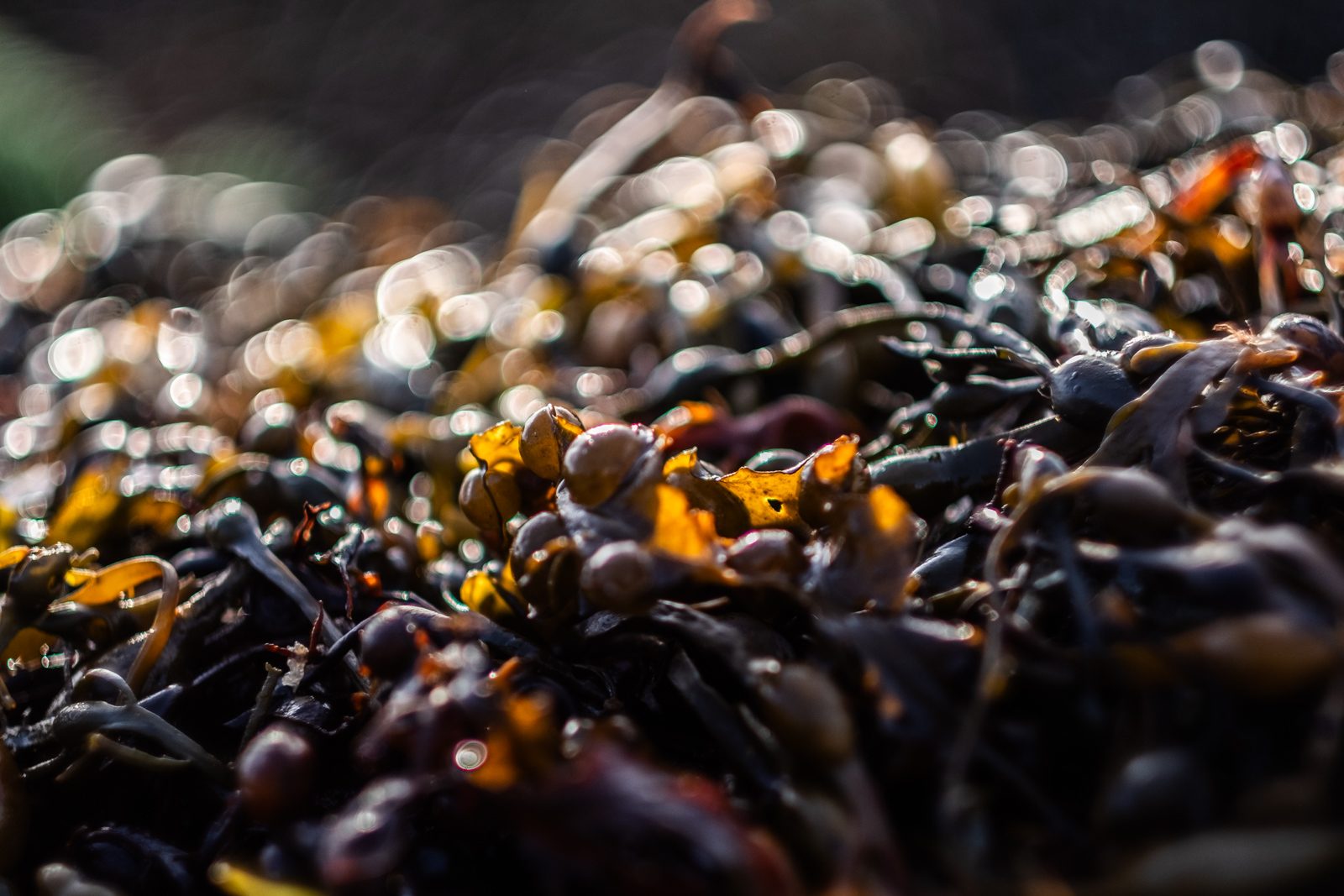
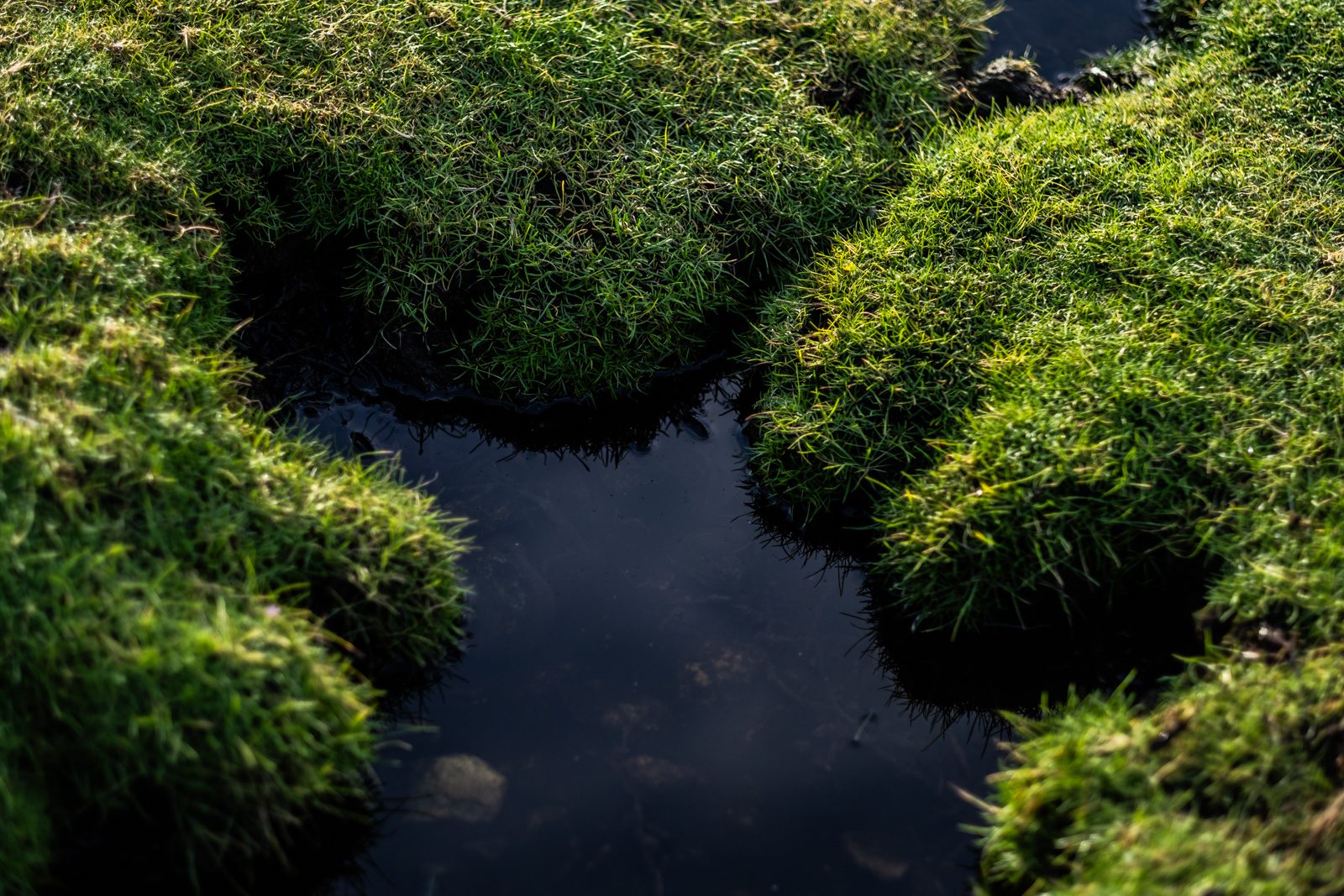
I love the beaches of Harris, but the Bays have something quiet and unique about them, and the more familiar they become, the more there is to find. A single lens turned out to be the perfect way to rediscover them, and I came home feeling more like myself than I had in months.
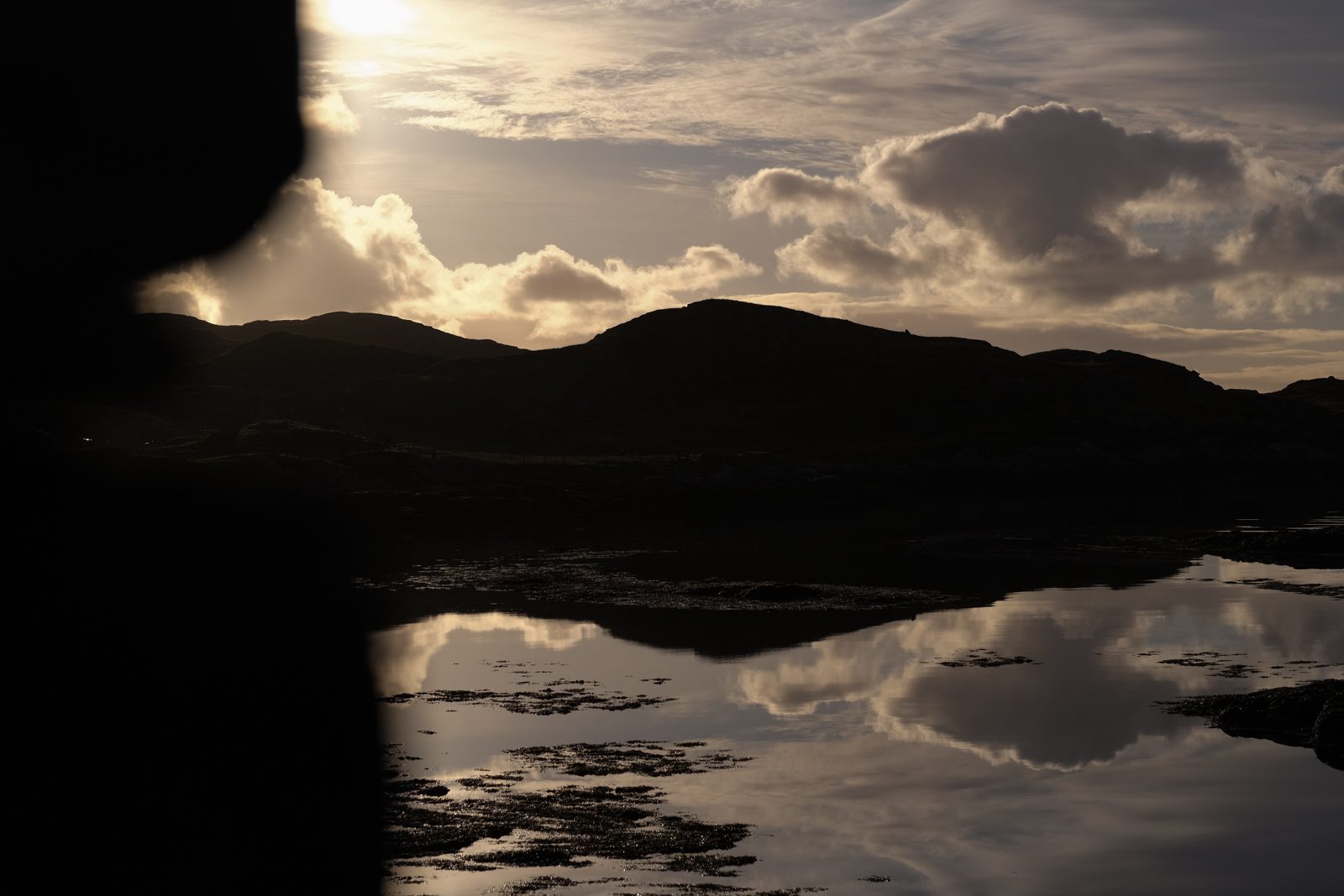
If you would like to explore the Isle of Harris with your own camera, have a look at my photography workshops.